

/image%2F0249508%2F20160927%2Fob_424eea_banniere-008074.jpg)
Region of Coquimbo and vines
Region of Coquimbo and vines
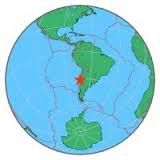
Coquimbo Region in Chile is located between the Atacama region in northern Argentina to the east and the south with the region of Valparaíso. with 40,580 square kilometers; and 603,210 population in 2003.
Coquimbo, it is the heart of the Chilean wine industry.
Chilean wine region of Coquimbo, has three sub-areas: the Elqui Valley, Limatí Valley, and Choapa Valley.
Most grapes grown in the wine region of Coquimbo are :Chardonnay, Cabernet Franc, Cabernet Sauvignon and Merlot. As the Atacama region, Coquimbo is known for its production of Pisco and table grapes.
Located at the South , of the Atacama Desert The Elqui Valley has in common with astronomers and winemakers, skies Clear and pure. the sun heating the grapes on the day and Stars dazzle at night.
The region has long been famous for its table grapes, papaya and its other cultivated fruits, and alcohol are for Chilean Pisco,
Today new vineyards cultivated land from the coast up high in the Andes at 2000 m above sea level, with amazing results, especially for syrah, a grape adapted to cold climate.
Limari Valley is an ancient wine region. The first vines were planted in the sixteenth century.
Today, new technologies allow winemakers to take a fresh look at this region.
The fog from the Pacific Ocean, covering the valley every morning and dissipates as the sun rises above the vineyards. Here drip irrigation allows vines to grow, their roots plunging deep into mineral-rich soil. All these factors give a new fresh wines.
Located at the narrowest point of Chile, Valley Choapa it in the location of the coastal and the Andes are tightening.
Composed of two sectors, Illapel and Salamanca, this valley products syrah and cabernet sauvignon, planted on rocky soils with less than 10 cm of rainfall per year.
For over 10 years, the Department of Herault ( France ) and the Chilean region cooperate, including viticulture and oneotourisme. With a capacity, of 46,000 tourist reception rooms.
The little rain, are compensated by an integrated three irrigation dams and canals enter them connected system, La Paloma, Recoleta and Cogoti. The excellent climate, fertile soil and good irrigation allow excellent grape production for wines of good quality. Among the varieties of grapes produced, have found the: Chardonnay, Cabernet Franc, Cabernet Sauvignon and Merlot.
For the production of Pisco liquor Chilean grapes are selected Moscatel Rose, the Alejandria Moscatel , and Moscatel Australia. The process includes the fermentation and distillation, followed by a rest period in fine wooden vats.
Region of Coquimbo
Populated by diaguitas Indians, it became part of the Inca Empire until the Spanish arrived in the sixteenth century. Chilean province and became independent in 1810.
This mountainous Region, is semi-deserted climate, rich in minerals, with iron 40% of national output in 2002, manganese represents 41,000 tons of Chilean production.
We found El Cerro Tololo also, home to Cerro Tololo Interamerican Astronomical Observatory, with a climate that allows it to have more than 300 nights a year without cloud.





/image%2F0249508%2F20150709%2Fob_ced92a_ark-1.jpg)
/image%2F0249508%2F20150407%2Fob_83e8d6_georgia-30.jpg)
/image%2F0249508%2F20150303%2Fob_f3fd17_alabama-11.jpg)
/image%2F0249508%2F20150120%2Fob_cc0a48_texas-15.jpg)
/image%2F0249508%2F201307%2Fob_06d8f8_wineswaitersbook-2013023.jpg)