

/image%2F0249508%2F20160927%2Fob_424eea_banniere-008074.jpg)
The Region of Mandoza and Vine
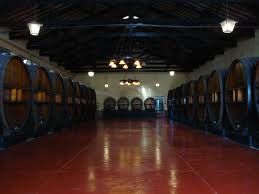
The Region of Mandoza and Vine
Is a region of Argentina to the west of the country. It borders the province of San Juan in the north, San Luis east of La Pampa and Neuquén south , and Chile to the west. It is typically an Andean province. With the provinces of San Juan and San Luis , Mendoza Province is part of the Cuyo region , covers an area of 148,827 km2
The primary sector based on irrigation has a strong tradition in this region. The main products of the province are vines, vegetables, fodder and fruit.
The main activity of the region is the wine, and the largest Argentine wine production center .
Mendoza has been developing since 1598 this culture, which grew with the arrival of the railway in 1885. the province had 2,000 hectares of vineyards.
She was selected by the GWC (Great Wine Capitals Global Network) as a major global regions for wine production , it is also the biggest competition of export wines for Argentina , which causes each year experts worldwide
Vine Mendoza is 68.4% of the total center-west region of the country, which represents 94.13 % of the total domestic production of grapes. The Vineyard of the region are located more than 1200 meters .
It has the best irrigation system vineyards of Argentina , located at the foot of the Andes Cordière are scenery is magnificent and sunny , in the regions of Maipu and Lujan have found the best Malbec from Argentina.
Every first weekend of March in place since 1936, the harvest festival is the most important festival for the people of this region are of the show and proposed light is great , with more than 500 dancers, singers and actors, it ends at midnight with the election of the queen of the harvest.
A two flight hours from Buenos Aires , you will find at the foot of the Andes a city that lives at the provincial rate and whose charm attracts more and more tourists.
In this oasis conducive to the body and flavor of the wine made is low humidity.
The vines are rarely attacked and require little pesticide use , resulting in high biological quality.
18km south of Mendoza, the town of Lujan de Cuyo is a great place to live and visit museums such as the Museum of Wine Felipe Rutini and good Caves.
Note that the grapes for red wines are Malbec, Bonarda , Tempranillo, Cabernet Sauvignon. Petit Verdot , Pinot Noir , Syrah , Merlot, Sangiovese , Cabernet Franc , Tannat
For white wines , have found the Chardonnay , Torrontes , Sauvignon Blanc, Chenin Blanc, Viognier and Semillon , Pinot Grigio , Chardonnay, Moscato , Pinot gray, Macabeo , and blended wines and wines from traditional method.
The Torrontés grape of Spanish origin, may recall a little Gewürztraminer .
Region Mendoza
Mendoza also started growing olives , despite the decline in production , the province continues to lead Argentina to the production of olives , with 52 % of the national total
In the early twentieth century , they began to introduce horticultural crops.
The main horticultural areas are the southern oases, the middle basin of the Río Tunuyán and around the capital . The main horticultural production in the province of Mendoza is tomatoes ( San Marzano and Roma) , followed by potato and onion.
Mendoza is also the first Argentine producing region cherries, sour cherries, apricots, plums, quince and walnut , and the second for peaches , apples and pears.
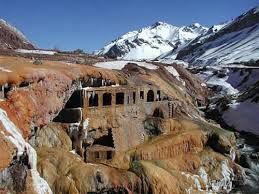
This enclave in the heart of the Andes , from allowing romantic inn walks in regions Depuente del Inca, Villavicencio and Uspallata
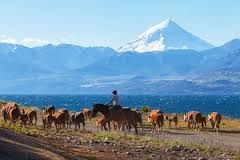
The province of Mendoza has three geographical structures differentiated : high Andean mountains in west, plains in the east, and plateaus , mountain ranges and volcanoes south .
The Andes affects almost the entire geography of the province , whose territory is almost entirely located more than 1,000 meters. With the highest western mountain: Mount Aconcagua 6962 m
The most important rivers are the Rio Desaguadero , Río Mendoza, Río Tunuyán , Río Diamante and Rio Atuel . The last four born in the Andes and across the province direcrion west-east . They are part of the River Desaguadero river system
Lakes and lagoons are protected areas, given the importance of the flora and fauna that grows in their surroundings.






/image%2F0249508%2F20150709%2Fob_ced92a_ark-1.jpg)
/image%2F0249508%2F20150407%2Fob_83e8d6_georgia-30.jpg)
/image%2F0249508%2F20150303%2Fob_f3fd17_alabama-11.jpg)
/image%2F0249508%2F20150120%2Fob_cc0a48_texas-15.jpg)
/image%2F0249508%2F201307%2Fob_06d8f8_wineswaitersbook-2013023.jpg)