

/image%2F0249508%2F20160927%2Fob_424eea_banniere-008074.jpg)
Region Tucuman and Vine

Region Tucuman and Vine
It is a subdivision of Argentina and the smallest province in the country . It is located northwest of the country and bordered to the north by the province of Salta to the east by Santiago del Estero and Catamarca west by smaller Argentina and is divided into two regions , with Chaco region and the mountain of the Pampa . In these mountains , we find the " Calchaquies " Valleys .
Shortly before Cafayat , vines appear , dry climate of the region is conducive to viticulture , with the spatiality of ice wine
Found between the vineyards at altitudes between 1800 and almost 3000 meters above sea level , the average temperature is 24 ° Cto 300 mm of rain per year , with an area of 82 Ha of vineyards .
These vineyards are among the highest in the world . Localities Amaicha del Valle, Valle del Colalao and Quilmes are part of Tafi del Valle department , which is one of the least densely populated province with 14,933 inhabitants spread over 2,741 km2 , an average of 5 4 inhabitants per km2
The most cultivated varieties are : Malbec , Cabernet Sauvignon , Syrah, Tannat , Bonarda and Torrontés .
Tucuman region
Before the arrival of the Spaniards and the indigenous peoples Diaguitas Calchaquís lived on this territory and had reached a high level of development in agriculture , pottery and textiles.
Diego de Almagro came in 1533 to explore the regions of the Quebrada de Humahuaca and Calchaquíes Valleys .
The Calchaquies Valleys are traversed by the Rio Santa Maria. Southeast is the reservoir of Rio Hondo . Further north are found reservoirs of " El Cadillal " on río río Dulce, "La Angostura " , on the Río de los Sosa and withholding Escaba after the confluence of the two branches of the River source Marapa .
Eternal snows above 3,500 m heights also have a very important function of fresh mountain water tank.
The highest peaks of the province are " del Bolson » Mont culminating in 5,550 meters and Mount two lagoons (or Mont Condor ) to 5450 meters.
Mountainous cords hold and are rising damp winds from the Atlantic. Condensation ensues in this area causes rain with accumulations of more than 1,000 mm per year on the eastern flanks. These rainfall give rise to an area of lush vegetation which gave the province of Tucumán the nickname " Garden of the Republic" .
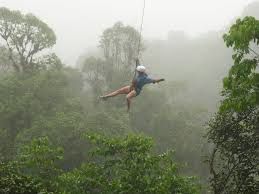
This area is abundant vegetation nimboselve ( cloud forest ) which is part of the " Selva Tucumanotarijeña " "( forest Tucumán Tarija Bolivia ) or the southern Yungas region .
The basis of the provincial economy is agréculture : sugarcane cultivation Lemon , Strawberry, Kiwi , dried beans, fresh beans , peppers, and green beans ( chauchas ) . There are also cultures of Corn , Sorghum and Soybean Luzern
Since 95 years , we see more and more plantations blueberries ( arandanos ) .
Livestock: Livestock Creole cattle breeds of sheep and goats is intended for consumption locale.et as sugar factories , metals , textiles and paper.




/image%2F0249508%2F20150709%2Fob_ced92a_ark-1.jpg)
/image%2F0249508%2F20150407%2Fob_83e8d6_georgia-30.jpg)
/image%2F0249508%2F20150303%2Fob_f3fd17_alabama-11.jpg)
/image%2F0249508%2F20150120%2Fob_cc0a48_texas-15.jpg)
/image%2F0249508%2F201307%2Fob_06d8f8_wineswaitersbook-2013023.jpg)