

/image%2F0249508%2F20160927%2Fob_424eea_banniere-008074.jpg)
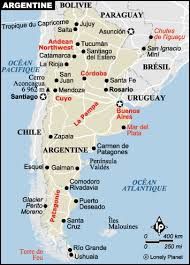
The wine route of the Pampa in Argentina
The wine route of the Pampa in Argentina
The vast plains of the Pampas produce the majority of agricultural crops in the country and included, here the best vineyards in Argentina .
Agriculture Argentina , employs nearly 7% of the workforce , contributing to about 5 % of GDP
Most agricultural production comes from the region of the Pampas . The main products are soy beans, corn, wheat , meat , wool and wine. In 2000, the country had about 420,000 farms, with however many latifundiums that produce a large part of domestic production.
Vineyards located on the legendary Colorado River , they are accessible by the desert road . Its name implies it has the necessary temperature range as is the case in the Rio Noir, Neuquen .
In La Pampa is highlighted , Bodega Del Desierto , on the coast of the Colorado River and the sandy soil obtained in good yields and varietal wines .
The place is very close to the border with the province of Neuquén and " to the province of Black River. Black river valleys create a wine region , production of apples and fruit, but in the region, and there are oil and paleontological tourism especially in the Neuquén place .
Bodega del Desierto is located in the Upper Valley of the Colorado River near the town of Mayo in the west end of the road in the desert , Patagonia Argentina.
The 140 hectares of vineyard vines produce Cabernet Sauvignon , Cabernet Franc , Merlot, Syrah , Pinot Black , Malbec , Chardonnay, Sauvignon Blanc, Viognier .
Wine tours in Argentina, are in various areas of production , in order to encourage domestic tourism.
The grapes used in the region are
Cabernet Sauvignon , Cabernet Franc , Merlot , Syrah and Chardonnay ; Black Pinot , Malbec , Sauvignon Blanc and Viognier . chardonnay .
and blended wines are clones of France , with the exception of Malbec . The climate is arid
The region is influenced by a humid subtropical climate : temperate weather is not changing less ! Winters are relatively cool but it is bearable and the summers are hot and humid against , with a little more precipitation than the rest of the year. Spring and autumn are the best seasons to visit this part of Argentina,
The snow is nearly impossible , sometimes very light snow precipitation occur in the more remote western regions of the ocean, but the snow is quite exceptional near the coast.
Pampas & tourism
This vast plain, the mythical landscape of Argentina , covers an area of 650,000 Km2.Limitée north by the Chaco region , to the east by the Rio Parana , south by the Rio Colorado and the west by the Andes, this is an area of intense farming and ranching , the land of " Gauchos " .
Pampas grass is a sea which occupies nearly 20% of the Argentine territory . Vast fields of alfalfa, wheat, corn or sunflower, vast meadows where thousands of cattle graze.
The origin of the name " Pampa " is not certain, but some argue that Pampa in Quechua ( Inca language ) means " flat field " unless Pampa is the name of a native tribe who occupied the vast plains.
No need to travel thousands of kilometers to discover the Pampa , about 1 hour from Buenos Aires it is possible to discover the Estancias and gauchos work .
Santa Rosa, capital of the province of La Pampa , hosts the provincial park reserve Luro
The area has several attractions
Villa Carlos Paz, resort in Lake San Roque. ( Water sports, golf , horseback riding ) - Cosquin , Festival venue Latin American popular -Jesus Maria, which takes place in January meetings with gauchos competition dressage music.
Do not miss
The museum Gaucho breeding , all the buildings and grounds of an estancia .
Estancias La Bamba , La Cina Cina, Los Patricios , La Oracion ....
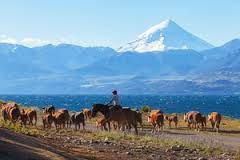
In carrying out the visit of one of these estancias discover activities and gauchos will especially the opportunity to attend a demonstration of their expertise in dressage ,




/image%2F0249508%2F20150709%2Fob_ced92a_ark-1.jpg)
/image%2F0249508%2F20150407%2Fob_83e8d6_georgia-30.jpg)
/image%2F0249508%2F20150303%2Fob_f3fd17_alabama-11.jpg)
/image%2F0249508%2F20150120%2Fob_cc0a48_texas-15.jpg)
/image%2F0249508%2F201307%2Fob_06d8f8_wineswaitersbook-2013023.jpg)