

/image%2F0249508%2F20160927%2Fob_424eea_banniere-008074.jpg)
Region Catamarca and Vine in Argentina
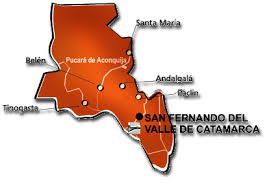
Region Catamarca and Vine
Rediscovered by entrepreneurs in the wine world, this region traditionally been an oasis for the cultivation of the vine, with the fertile valleys that have an area of 160 km ²
Located in an area of arid and semi- arid climate, scarce water resources determine the structure of the human habitat. Agricultural activities are concentrated in pockets and valleys between the mountains. In the East, the population is concentrated around a number of rivers , water being distributed by canals and irrigation ditches .
Half of the production is destined for consumption as table grapes , but the new vineyards established in the region will definitely transformed this region into a quality wine region , by the hand of man worked to provide a rich space the cultivation of the soil and grape
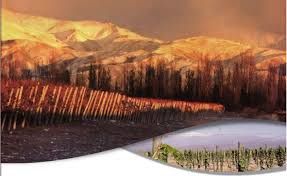
The big difference terrain produces large variations in the climate, which allows you to divide the province of Catamarca in two: Western and Eastern Valleys . It also allows you to appreciate the beauty of the landscape from the vertices
In 7000 hectares of vineyards have found varieties like Torrontes , Riojano , Syrah , Cabernet Sauvignon, Malbec , Chardonnay and Cherry francs on sandy soil .
These valleys receive low rainfall reaching 200 mm per year
Tourism in Catamarca
The name comes from the Catamarca Quechua language and means " fortress in the mountains ."
With San Fernando Del Valle Catamarca north of Argentina is the capital of the province of Catamarca . It is located on the banks of the Rio Del Valle, at the foot of Cerro Ambato , the city is an active tourist and cultural center for the region, are museum where you see little pieces of paleontological and archaeological remains culture Aboriginal and colonial past, which illustrate the myths and customs of the various peoples who have sojourned in this valley they are a valuable cultural heritage
Catamarca remained isolated from the rest of Argentina in the mountains until 1888 , when the railroads are expanding appeared in the province, Attracting immigrants from Lebanon , who recalled their fertile mountain valleys lined orchards homes they left behind.
Once inhabited by an indigenous Diaguitas , the fierce reputation
San Fernando del Valle is built 500 meters, with a population of 159,703 inhabitants .
The continental arid climate gives the city an average annual temperature of 21 ° C, with an average maximum of 34 ° C in summer and an average minimum of 4 ° C in winter. Later in the mountains, temperatures can drop to -30 ° C. Rainfall is scarce , de458 mm annually and concentrated during the warmer months.











/image%2F0249508%2F20150709%2Fob_ced92a_ark-1.jpg)
/image%2F0249508%2F20150407%2Fob_83e8d6_georgia-30.jpg)
/image%2F0249508%2F20150303%2Fob_f3fd17_alabama-11.jpg)
/image%2F0249508%2F20150120%2Fob_cc0a48_texas-15.jpg)
/image%2F0249508%2F201307%2Fob_06d8f8_wineswaitersbook-2013023.jpg)